Introduction:
Flat roofs have long been a staple in modern architecture, offering a sleek and contemporary aesthetic. In recent years, advancements in technology and construction materials have revolutionized the concept of flat roofing, bringing about a new era in design, durability, and sustainability. In this article, we’ll delve into the innovative features and benefits that define the new generation of flat roofs.
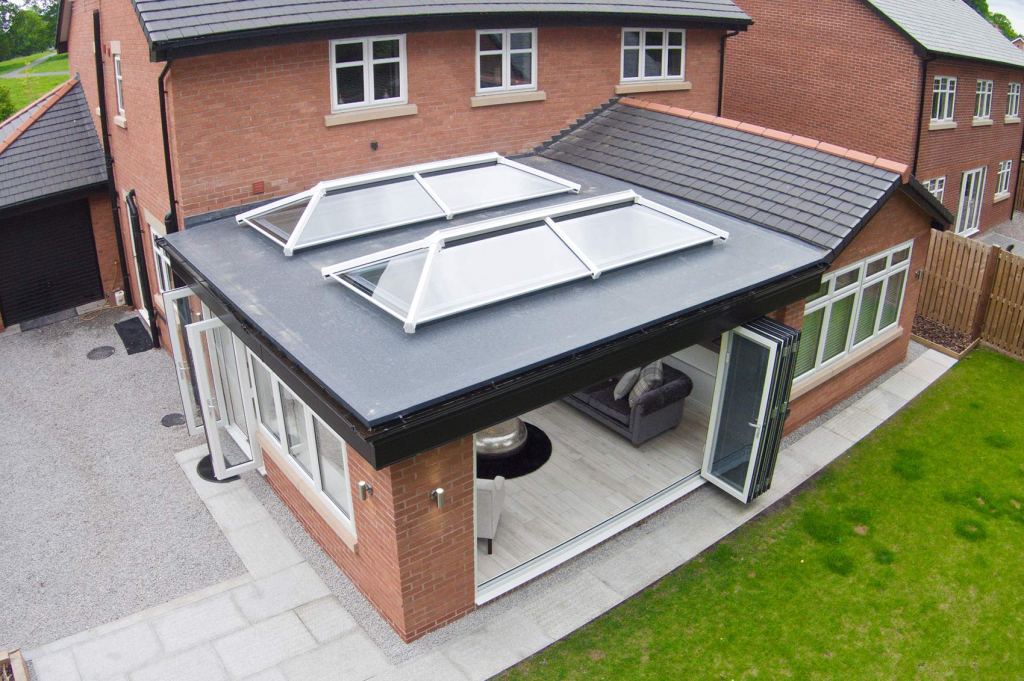
- Materials Redefined:Traditional flat roofs were often associated with issues like leaks and poor insulation. However, the advent of cutting-edge materials has addressed these concerns. High-performance materials such as single-ply membranes (TPO, PVC, EPDM) and advanced modified bitumen provide enhanced waterproofing capabilities, ensuring a more resilient and durable flat roof system. These materials are not only long-lasting but also offer better insulation, contributing to energy efficiency in buildings.
- Green Roof Solutions: Skegness new flat roof paradigm goes beyond functionality; it embraces sustainability. Green roofing systems, which involve the cultivation of vegetation on the roof’s surface, have gained popularity. These living roofs not only provide an aesthetically pleasing landscape but also offer improved insulation, reduced energy consumption, and contribute to environmental conservation by promoting biodiversity and reducing urban heat island effects.
- Cool Roof Technologies:Another noteworthy innovation is the integration of cool roof technologies. These roofs are designed to reflect more sunlight and absorb less heat than traditional roofs. Cool roofing materials, such as reflective coatings and tiles, contribute to energy efficiency by reducing the heat absorbed by the building, leading to lower cooling costs. This is particularly significant in urban areas where heat retention can be a major concern.
- Solar-Ready Designs:With a growing emphasis on renewable energy, flat roofs are increasingly being designed to accommodate solar panels. The flat, unobstructed surface of these roofs makes them ideal for solar installations, promoting the use of clean energy and helping building owners reduce their carbon footprint. Solar-ready flat roofs are a forward-thinking approach that aligns with the global shift towards sustainable practices.
- Innovative Drainage Solutions:One common challenge with flat roofs is drainage. The new generation of flat roofs incorporates innovative drainage solutions to mitigate water pooling and prevent leaks. Tapered insulation systems, advanced slope technologies, and effective drainage pathways ensure that water is efficiently directed away from the roof surface, enhancing the overall performance and longevity of the roofing system.
Conclusion:
The evolution of flat roofing systems reflects the ever-changing landscape of architecture and construction. The integration of advanced materials, sustainable practices, and innovative technologies has transformed flat roofs into versatile, resilient, and eco-friendly solutions. As we move towards a more sustainable future, the new generation of flat roofs stands as a testament to the industry’s commitment to marrying form and function in the pursuit of excellence. Whether it’s a residential dwelling, commercial building, or an industrial facility, the new flat roof is paving the way for a brighter, more sustainable tomorrow.
 Decent Flat Roof